Can Anxiety Make You Tired?
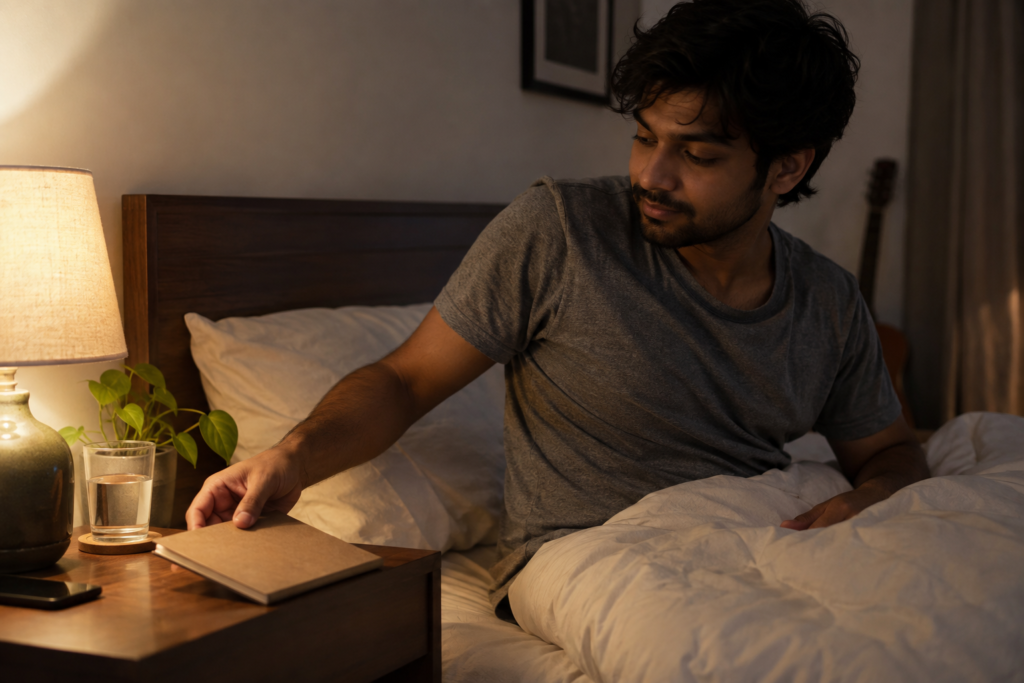
Anxiety can make you tired. Persistent worry, muscle tension and difficulty sleeping can leave you worn out, even when you feel too alert to rest. Fatigue is also recognised among symptoms of generalised anxiety disorder, but tiredness alone does not diagnose it. NIMH: generalised anxiety disorder
Notice the loop without blaming yourself
You may worry about tomorrow, sleep poorly, feel less able to cope, and then worry more. Recognising that pattern can help you choose a useful interruption. It does not mean you could solve the problem simply by deciding not to worry.
Try putting one concern into a practical form: what is the issue, what is the next action, and when can you take it? If no action is possible tonight, write down when you will return to it.
Make a smaller evening plan
Reduce one avoidable source of stimulation or uncertainty. Finish a task at an agreed point, prepare what you need for morning, or stop repeated checking that is not changing the decision.
A calm activity or comfortable breathing may help you settle. Do not treat relaxation as a test you must pass before sleep is allowed. If it increases frustration, choose something simpler.
Review caffeine and medicines with care
Caffeine can worsen anxiety or sleep problems in some people. Note the amount and timing, including energy drinks and supplements. Ask a pharmacist or prescriber about medicine effects; do not abruptly stop prescribed treatment. FDA: caffeine and individual sensitivity
Get support for the anxiety and the fatigue
If worry is hard to control, persists or limits ordinary life, professional support can help. Assessment may lead to psychological treatment, medication or a combination suited to you. NIMH: generalised anxiety disorder
Also mention symptoms that do not fit your usual anxiety pattern. A mental-health explanation should not prevent appropriate investigation of physical illness.
Better Next Days offers practical arrangements for the evening and the morning after. They can support everyday functioning alongside care, but the book is not treatment for an anxiety disorder.
Related reading
The 3 a.m. Card offers a simple fallback when worry keeps you awake. Explore the free Better Next Days toolkit.
For a more complete approach to sleeping better, recovering properly and planning better days, explore Julian Talbot’s Better Nights, Better Next Days. Buy the book and companion pack.