Can Diabetes Make You Tired?
Diabetes can make you tired, particularly when blood glucose is high or when low glucose occurs in someone taking certain diabetes medicines. But fatigue is common and has many possible explanations. You cannot diagnose diabetes from an afternoon slump. NIDDK: diabetes symptoms and causes NIDDK: low blood glucose
Notice symptoms beyond tiredness
Increased thirst, frequent urination, unexplained weight loss and blurred vision can occur with diabetes. Some people have few obvious symptoms. A clinician can decide whether blood testing is appropriate based on your history and risk. NIDDK: diabetes symptoms and causes
If symptoms are developing quickly or you feel acutely unwell, seek prompt advice. Vomiting, abdominal pain, deep or rapid breathing, marked drowsiness or confusion alongside possible high glucose needs urgent assessment.
If you already have diabetes
Follow your agreed glucose-monitoring and sick-day plan. Low glucose can cause shaking, sweating, hunger, palpitations, confusion and tiredness. Insulin and some other medicines can increase this risk. NIDDK: low blood glucose
Do not change treatment doses based on a general sleep article. Ask your care team how to manage episodes, meals, activity and overnight problems in your particular situation.
Severe low glucose with inability to swallow safely, a seizure or unconsciousness is an emergency. Use the agreed emergency plan and get emergency help; do not give food or drink to an unconscious person.
Look at sleep and demands too
A person with diabetes can also have insufficient sleep, sleep apnoea, stress or another cause of fatigue. Avoid assuming that every tired day is explained by one existing diagnosis.
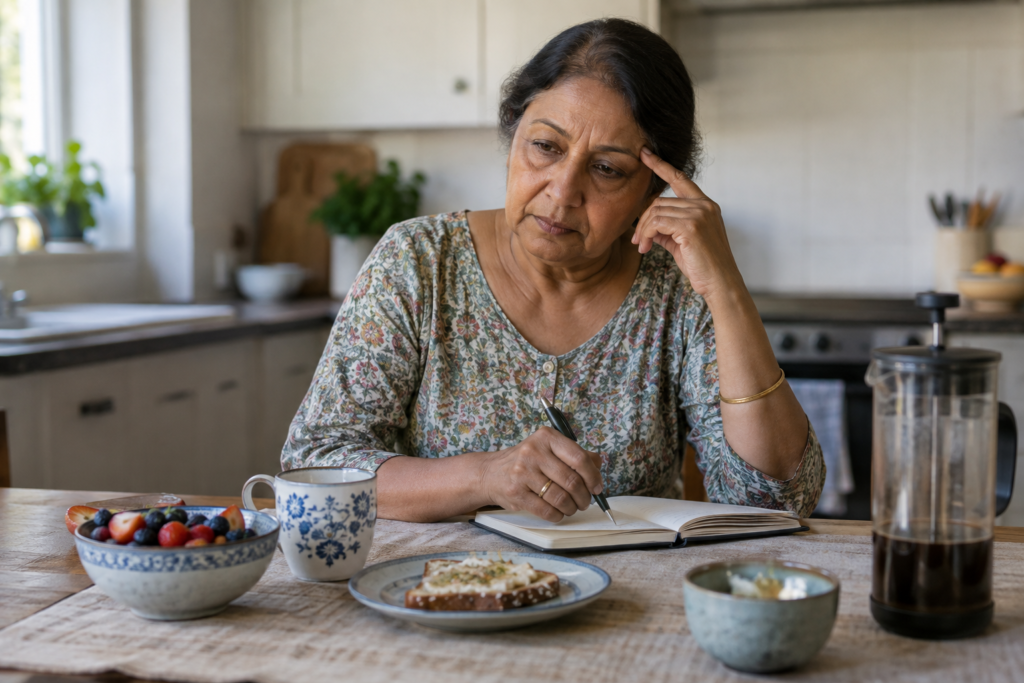
A short record can help: what time the tiredness occurred, associated symptoms, relevant readings if monitoring is prescribed, recent food and medicine timing, and the previous night’s sleep.
Make an arrangement that supports care
Plan access to appropriate food, monitoring supplies and breaks at work or while travelling. If you are sleepy, dizzy or confused, do not drive. Better Next Days contributes practical planning tools; diabetes care and medication decisions remain with your treating team.
Related reading
Use the appointment-note worksheet to record symptoms, medicines and when tiredness interrupts your day. Explore the free Better Next Days toolkit.
For a more complete approach to sleeping better, recovering properly and planning better days, explore Julian Talbot’s Better Nights, Better Next Days. Buy the book and companion pack.