Can Dehydration Make You Tired?
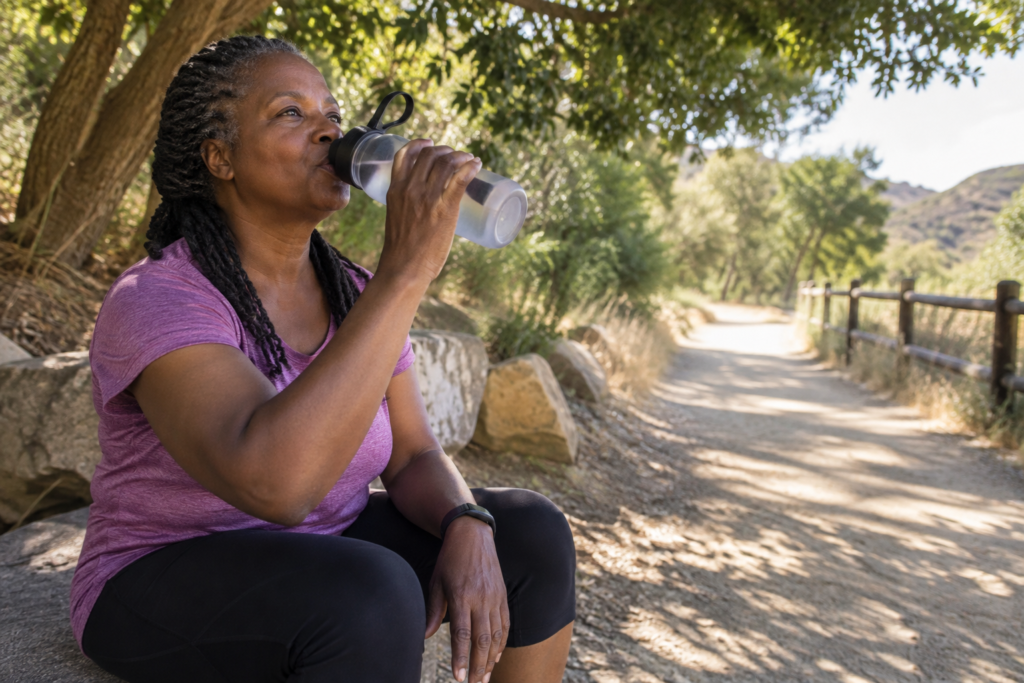
Yes. Dehydration can make you feel tired, especially after heat exposure, sweating, vomiting, diarrhoea or difficulty drinking enough. But tiredness on its own does not show that dehydration is the cause. NHS: dehydration
Look for a group of clues
Thirst, a dry mouth, darker urine, passing urine less often and dizziness can be useful clues. Medicines, foods and medical conditions can affect some of these signs, so do not treat one observation as a diagnosis. NHS: dehydration
Think about the circumstances: a long hot journey with little access to drinks is different from persistent fatigue despite ordinary food and fluid intake.
Make drinking practical
Keep a drink where you can reach it and build ordinary drinking opportunities into the day. If you have been sick, smaller frequent sips may be easier. A pharmacist or clinician can advise about oral rehydration products when fluid and salts have been lost through vomiting or diarrhoea. NHS: dehydration
Avoid forcing large amounts of water or treating clear urine all day as a target. Follow prescribed fluid restrictions if you have a condition that requires them.
Fix the access problem
The useful change might be a refillable bottle, a workplace break arrangement, or stopping somewhere with shade and drinking water. On a long shift, “drink more” is not much of a plan if you cannot leave the task or use a toilet.
Better Next Days encourages finding the constraint and making a concrete arrangement. That applies to hydration as much as bedtime.
Know when a drink is not enough
Marked drowsiness, confusion, persistent dizziness on standing, very little urine or inability to keep fluids down needs prompt medical advice; severe illness or collapse needs emergency help. NHS: dehydration
If tiredness continues after normal drinking and recovery opportunities resume, do not keep escalating fluids. Look at the wider pattern and arrange assessment when appropriate. Water meets a real need, but it is not a universal treatment for fatigue.
Related reading
The food-and-drink worksheet can help you notice missed drinks during travel, heat or a busy shift. Explore the free Better Next Days toolkit.
For a more complete approach to sleeping better, recovering properly and planning better days, explore Julian Talbot’s Better Nights, Better Next Days. Buy the book and companion pack.